
Taking responsibility for my actions has been a transformative journey.
It’s the silence that gets you first.
The sun is too bright, slicing through the curtains. Your head is a construction site. You lie perfectly still, eyes closed, trying to piece together the shattered fragments of the previous twelve hours. It was my responsibility to piece it all together.
Then begins The Inventory.
Phone? Check. Keys? Check. Wallet? Check.
Then, the cold, sickening realization that hits your gut before your brain even processes it.
Where are my underwear?
For decades, this was my Tuesday morning reality. Or Saturday. Or Thursday.
Owning My Life
I am an alcoholic. But for decades, I didn’t call myself that. Instead I called myself a victim. Or I was a “sensitive soul” just trying to numb the pain of a cruel world. Bad things just happened to me.
The mornings were the hardest part of the charade to maintain, because the terror was so visceral. Waking up in strange beds, or worse, waking up in my own bed with zero recollection of how I got there, was routine.
The physical hangover was nothing compared to the emotional torture of the “what ifs.” The frantic, secret trips to the pharmacy for Plan B. The agonizing wait for STD test results, the sterile clinic lights buzzing overhead while I prayed to a God I ignored when I was drinking.
The darkest part—the part I still struggle to type out—was the not knowing. The void. Who was it last night? Was it the guy from the bar? Was it two guys? Did I say yes? The blackout isn’t a gentle sleep; it’s an erasure of self. I was putting my body in the hands of strangers while my consciousness was AWOL.
And every single time, I found a way to make it not my fault.
He took advantage of me. The bartender overly poured the drinks. My boss stressed me out so much I had to let loose. My childhood trauma made me do it.
I wore my victimhood like armor. It protected me from the terrifying truth that the architect of this chaos was staring back at me in the mirror. As long as I was the victim, I didn’t have to change. The world had to change. The world had to treat me better.
I don’t know why the shift finally happened. People talk about “rock bottom” as a singular, catastrophic event—a car crash, an arrest. For me, rock bottom was just an accumulation of exhaustion.
I was forty years old, living the chaotic, dangerous sex life of a traumatized teenager, and I was just so incredibly tired of being terrified of my own shadow. Finally, I started to face my own responsibility in my choices.
I woke up one morning—another morning where the details of the night before were lost to the fog—and instead of panic, I felt a profound sense of disgust. Not just at the situation, but at the lie.
The thought landed in my brain with the weight of a cinderblock: You are doing this to yourself.
It wasn’t the guys. The stress didn’t do it. My past was not responsible. It was the vodka. And I was the one pouring it.
Stopping drinking was agonizing. It was physical and mental torment. But the hardest part wasn’t putting down the bottle; it was picking up responsibility.
Taking responsibility meant admitting that for decades, I had been putting myself in extreme danger willingly. It meant accepting that while I had a disease, I was also making choices that hurt me and everyone around me.
It meant accepting that the “victim” narrative was actually a prison I had built for myself to avoid doing the hard work of growing up.
When you strip away the alcohol and the excuses, you are left raw. You have to sit with the discomfort, the anxiety, and the memories of all those lost, messy nights without a chemical buffer. You have to face the shame instead of drowning it.
But here is the incredible thing about trading victimhood for responsibility: It gives you your power back.
As long as things were just “happening” to me, I was helpless. But if I was the problem, then I could be the solution.
I am five years sober now. My life isn’t perfect. I still carry the scars of those decades lost to the blackout fog. I still have shame knowing how recklessly I treated my own body and soul.
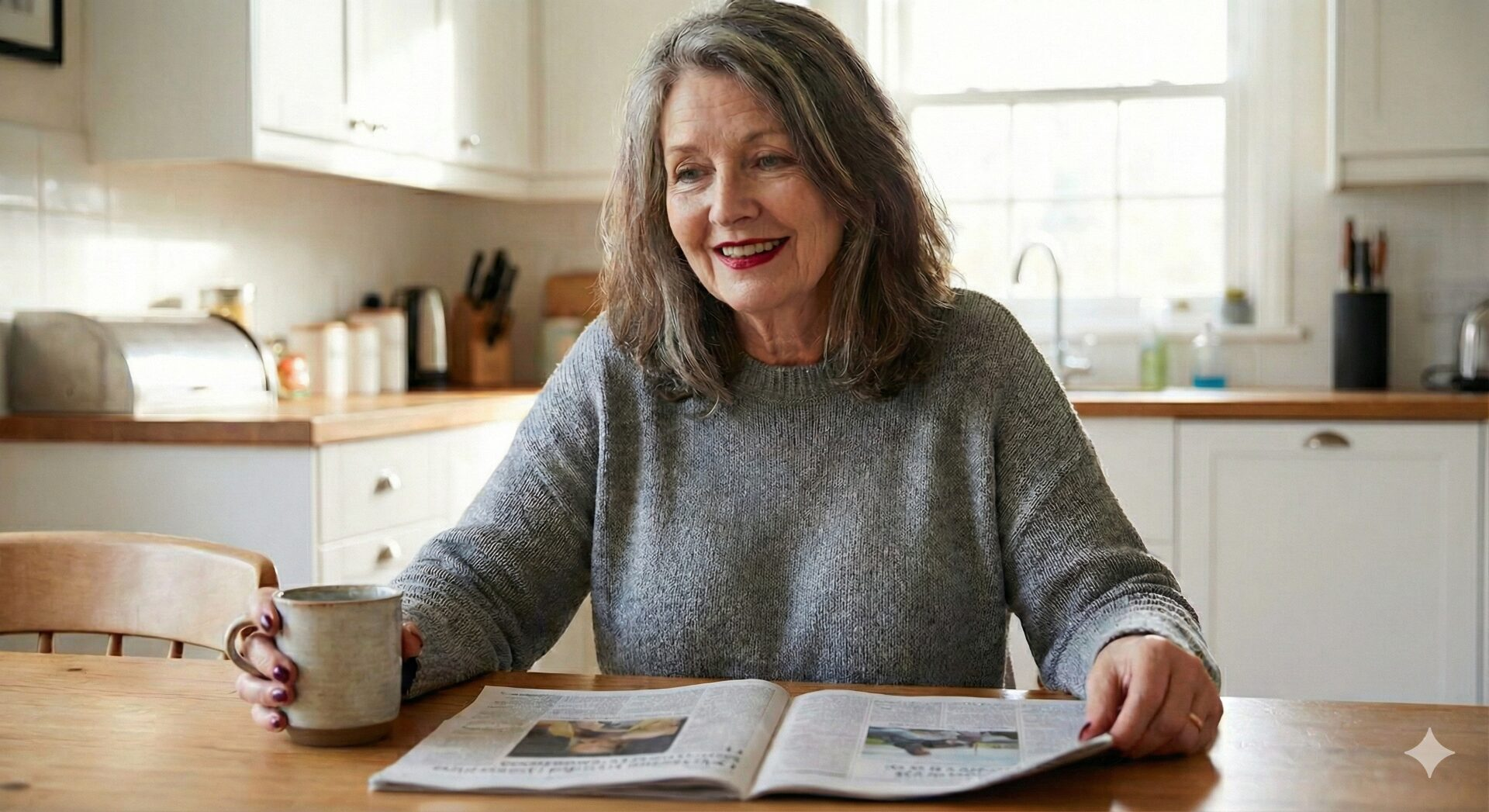
But my mornings are different now. They are boring. They involve coffee, the newspaper, and absolute clarity. I wake up knowing exactly where I am, what I did last night, and who I am.
I wouldn’t trade the peace of a boring, rememberable morning for all the chaotic “excitement” in the world. I’m not a victim anymore. I’m just a woman, finally awake, and finally driving her own life.

Leave a Reply
You must be logged in to post a comment.